In today’s evolving workplace, hygiene has become a key driver of productivity, engagement and business success. While organisations continue to invest in wellness initiatives, ergonomic workspaces and regular sanitisation, one everyday essential often goes unnoticed: facial tissues.
A simple tissue box placed within easy reach can play a meaningful role in promoting hygiene, reducing the spread of germs and creating a healthier work environment.
The impact of seasonal illnesses in the workplace
Shared workspaces naturally bring people together, but they also create opportunities for seasonal illnesses such as colds and flu to spread. A single sneeze or cough can release droplets that settle on desks, meeting tables, keyboards, door handles and other frequently touched surfaces.
The result is increased absenteeism, which can disrupt workflows, delay projects, affect team collaboration and reduce overall productivity. Creating a healthier workplace requires a proactive approach that encourages good hygiene habits alongside routine cleaning and sanitisation.
Why personal hygiene matters
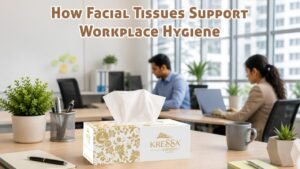
Keeping office spaces clean is essential, but maintaining personal hygiene is equally important in preventing the spread of germs. Providing facial tissues at individual workstations, reception areas, meeting rooms and collaborative spaces makes healthy practices easy to follow. When hygiene essentials are always within reach, like Kressa Finesse 3-Ply Face Tissues, employees are more likely to adopt responsible habits that help protect everyone around them.
Soft, strong and highly absorbent, these OBA- free tissues are designed to help contain moisture effectively, reducing the chances of germs spreading to shared office equipment and frequently touched surfaces. Made from 100% virgin pulp, they deliver exceptional softness with dependable strength for everyday use. Their durable 3-ply construction easily handles sneezes, sniffles and accidental spills without tearing, making them an ideal hygiene essential for offices and shared spaces.
The convenient one-pull dispensing ensures easy access and reduces unnecessary handling, while the contemporary packaging blends effortlessly into modern office interiors.
Creating a workplace that prioritises well-being
Building a healthier workplace does not always require large-scale changes. Often, it is the thoughtful everyday additions that create the greatest impact. Providing quality facial tissues throughout the office demonstrates a genuine commitment to employee comfort, hygiene and care.
When employees feel cared for, they are better equipped to stay focused, productive and engaged throughout the workday. Time to upgrade your workplace with Kressa Finesse Ultra-Premium 3-Ply Face Tissues and make hygiene a seamless part of your workplace.